Vurgulamak:
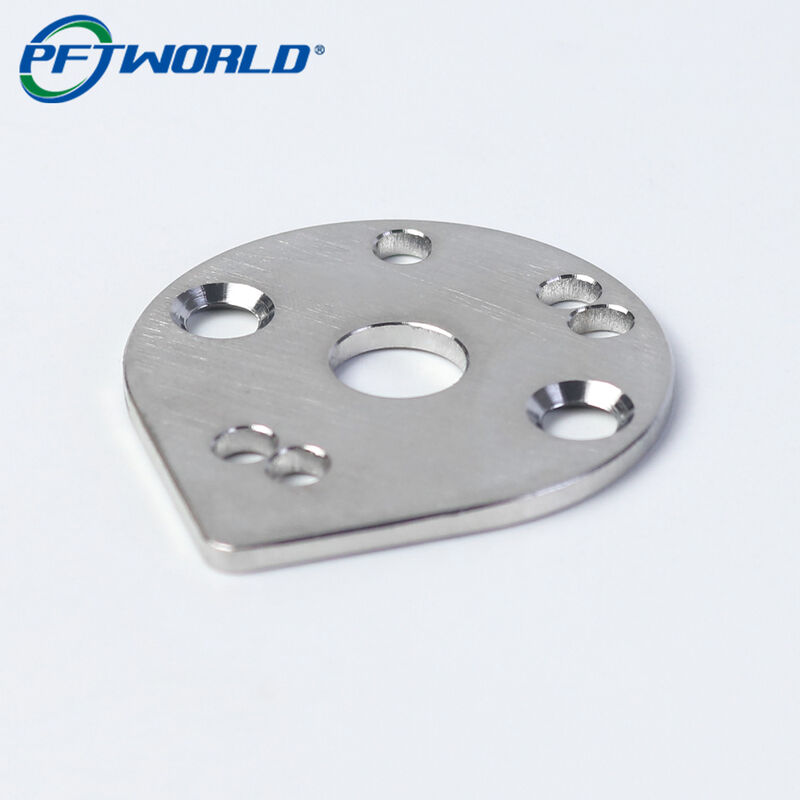
304 paslanmaz çelik CNC freze parçaları
, Lazer Kesme CNC Dönüştürme Parçaları
, passivasyon öğütme CNC işlenmiş parçalar
Lazer Kesme 304 Parçaların CNC frezeleme, öğütme ve pasifleştirme
304 Paslanmaz Çelik'in İşlemini Zorlaştıran Nedir?
304 paslanmaz çelik, özel işleme en çok talep edilen malzemelerden biridir çünkü olağanüstü korozyon direnci ve dayanıklılığı sunar.
Ama üretim açısından 304 ünlüdür.Sakız gibiKesim sırasında hızlı sertleşir, kolayca aşırı ısınır ve araçları karbon çelikten neredeyse iki kat daha hızlı bulanıklaştırır.
Gerçek fabrika üretiminde, sıklıkla şunu gözlemleriz:
Araç aşınması %25-40 artarbesleme oranları optimize edilmediğinde.
Soğutulmamış sondaj son derece yüksek bir sıcaklığa neden olabilir.700°C, gürültü ve yırtılmaya neden oluyor.
Lazerle kesilmiş kenarlar genellikle oluşurOksit katmanlarıhassas frezelemeden önce çıkarılmalıdır.
Bu detaylar parça toleransını, bitirme kalitesini ve teslimat süresini büyük ölçüde etkiler.
Bu makale, tam ve pratik bir iş akışı sunar.lazer kesimi → CNC frezeleme → öğütme → pasifleştirmeGerçek dükkan deneyimine dayanmaktadır.
H2: 304 paslanmaz çelik parçaları için adım adım üretim iş akışı
H2: 1. Lazerle kesme 304 paslanmaz çelik: Temiz kenarlar, düşük ısı bozulması
Lazer kesimi, özellikle plak tabanlı bileşenler için CNC freze edilmeden önce boşluk hazırlamak için idealdir.
H3: Pratik Kurulum ve Gerçek Üretimden Veriler
Lazer tipi:1.53 kW fiber lazer
Kalınlığı:1.5 mm 10 mm
2 mm 304 SS için kesme hızı:20°28 mm/s
Tipik tolerans:±0,10~0,20 mm
H3: Neden lazerle kesmeye başlıyoruz?
CNC işleme süresini%30%50%
Çarpıtma atıklarını en aza indirir.
Karmaşık dış profiller veya yuva özellikleri için idealdir
Profesyonel tavsiye:
304 üzerinde yüksek hızlı kesimden kaçının; aşırı ısı, daha sonra pasifleşmeye müdahale eden oksit birikimine neden olur.
H2: 2. 304 Paslanmaz Çelik CNC frezeleme: Araçlama, beslemeler ve gerçek kesim parametreleri
Boşluk lazerle kesildikten sonra, CNC frezeleme hassas özellikleri ele alır.
H3: Önerilen Araçlar ve Soğutma Suyu Stratejisi
Alet:TiAlN kaplamalı karbid uç değirmenleri
Soğutucu:Yüksek basınçlı sel soğutma suyu, 8 ∼10% emülsiyon
Çip boşaltma:ZorunluÇalışmanın sertleşmesini önlemek için
H3: Gerçek besleme ve hız parametreleri (mağazada test edilmiş)
| Operasyon |
Döner hızı |
Besleme oranı |
Kesim Derinliği |
| Yan frezeleme (Ø8 mm) |
1800~2200 RPM |
220~280 mm/min |
0.15 ∙ 0.25 mm |
| Çapraz Döşeme |
1500~1800 RPM |
160~200 mm/dakika |
0.1 mm |
| Borlama (Ø6 mm) |
1200~1500 RPM |
0.08 ∙ 0.12 mm/rev |
- Evet. |
Bu numaralar, Haas VF-2 ve DMG 3 eksenli makinelerinde 304-2B sayfası kullanılarak test edildi.
H3: Çalışmayı sertleştirmekten kaçınmak
Çoğu arıza, besleme miktarı çok düşük olduğunda meydana gelir.
Basit bir kural:
Eğer mavi çipler görüyorsanız → alet sürüyor, kesmiyor. Hemen beslemeyi artırın.
H2: 3. Boyut doğruluğu ve yüzey finişi için öğütme
Düzeltme, sıkı toleranslar veya estetik bitirme gerektiren 304 parça için özellikle:
Kesinlik koltukları
Kaydırma mekanizmaları
Mühürleme temas yüzeyleri
Tıbbi donanım bileşenleri
H3: Gerçek Mağaza Test Sonuçları
| Dökme Tipi |
Tahammül Yapabilir |
Yüzey Kabalığı |
| Yüzey öğütme |
±0,01 mm |
Ra 0,8 ∼1,2 μm |
| Silindirli öğütme |
±0,005 mm |
Ra 0,4 ∼ 0,8 μm |
H3: Sık Gördüğümüz Sorunlar
Aşırı ısınma → renk değişimi
Düzgün olmayan çamur boyutu nedeniyle mikro çizikler
304 ince plakalar üzerindeki çarpıtma
Çözüm:
KullanımıSoğutucu maddeler açısından zengin öğütmeartışlı geçişlerle0.005 ∙ 0,01 mm.
H2: 4. Passifleşme: Korozyona Direnci İçin Son Adım
Passivasyon demir kirliliğini ortadan kaldırır ve krom oksit koruyucu katmanı geri yükler.
H3: Tipik Pasifleşme Süreci
Yağsızlatma ve ultrasonik temizlik
Asit banyosu tedavisi
Azotik asit 20~25%50°C'de
Ya daSitrik asit 6 ∼10%30°C-40°C'de
Suyla durulayın.
Sıcak hava kurutma
H3: Gerçek test verileri
Sitrik pasivasyondan sonra 304 parçada:
Tuz püskürtüme dayanıklılığı: 48-96 saat
Yüzey krom konsantrasyonu artış% 35-55%(XPS doğrulanmış)
H3: Kullanıcı Ağrı Noktası Çözüldü
Birçok alıcı paslanmaz çelik parçalarının sadece birkaç hafta kullanıldıktan sonra paslanmasından endişe ediyor.
Bu genellikleLazer oksit + işleme kalıntıları, malzeme kalitesi değil.
Uygun biröğütme + pasifleştirmeBu süreç bunu tamamen ortadan kaldırır.
H2: Lazerle kesilen ve CNC ile freze edilen 304 paslanmaz çelik parçalarının uygulanmaları
Gıda işleme malzemeleri
Tıbbi cihazlar
Deniz donanımı destekleri
Endüstriyel otomasyon parçaları
Batarya kabukları
Araç paneli ve kablosu
Bu endüstriler 304'ü, dayanıklılığı, şekillendirilebilirliği ve korozyona dirençliliği nedeniyle seçerler.
H2: Fiyat ve sipariş bakımından
Hangi Etkiler Maliyetlidir?
304 levhanın kalınlığı
CNC özelliklerinin karmaşıklığı
Gerekli toleranslar
Yüzey bitirme seviyesi
Parti miktarı
Referans olarak, lazer kesimi, CNC frezeleme, öğütme ve pasifleştirme dahil olmak üzere tipik bir 304 bracket (2 ′′ 4 mm kalınlığı):
Birim fiyatı (küçük parti 10 ¢ 20 adet): USD $ 9 ¢ $ 18
Toplu üretim (500+ adet): USD $3.80$7.20
H2: Sık Sorulan Sorular
S1: 304 paslanmaz çelik CNC işleme uygun mu?
Evet, ama sertleşmesini önlemek için doğru beslemeler ve soğutma suyu yönetimi gerektirir.
S2: Lazerle kesilmiş 304 parçaların son işlem gerektiriyor mu?
Evet, CNC freze veya pasifleştirmeden önce oksit kenarları çıkarılmalıdır.
S3: Pasifleşme boyutları değiştirir mi?
Hayır, pasifleştirme kaplama yapmayan bir kimyasal işlemdir ve kalınlık eklemez.
|
|
CNC Dönüştürme, CNC frezeleme, lazer kesme, bükme, iplik, tel kesme, damgalama, elektrik boşaltma işleme (EDM), enjeksiyon kalıplama, 3D baskı, hızlı prototip, kalıplar vb.
|
|
|
Alüminyum: 2000 serisi, 6000 serisi, 7075, 5052 vb.
|
|
Paslanmaz çelik: SUS303, SUS304, SS316, SS316L, 17-4PH vb.
|
|
Çelik: 1214L/1215/1045/4140/SCM440/40CrMo vb.
|
|
Bakır: 260, C360, H59, H60, H62, H63, H65, H68, H70, Bronz, Bakır
|
|
Titanyum: F1-F5 sınıfı
|
|
Plastik: Asetal/POM/PA/Nylon/PC/PMMA/PVC/PU/Akrilik/ABS/PTFE/PEEK vb.
|
|
|
Anodizasyon, boncuk patlaması, ipek ekranı, PVD kaplama, çinko/nikel/krom/titanyum kaplama, fırçalama, boyama, toz kaplama, pasifikasyon, elektroforez, elektro cilalama, knurl, lazer/çizme/çizme vb..
|
|
|
±0,002 ~ ±0,005mm
|
|
|
Min Ra 0.1~3.2
|
|
Sertifika
|
ISO9001:2015,AS9100D,ISO13485:2016ISO45001:2018IATF16949:2016ISO 14001:2015,ROSH,CE vb.
|

Sık Sorulan Sorular
1Üreticiniz mi yoksa ticaret şirketi misiniz?
Biz Shenzhen, Çin'de bulunan bir fabrikayız, 20 yıllık zengin deneyime sahibiz,
6000 metrekarelik bir alanı kapsayan, 3 boyutlu kalite denetim ekipmanları, ERP sistemi ve 40 makinesi de dahil olmak üzere tam tesisler.Örnek kalite denetimi ve diğer raporlar.
2- Nasıl alıntı yapabilirim?
Detaylı çizimler (PDF/STEP/IGS/DWG...), kalite, teslimat tarihi, malzemeler, kalite, miktar, yüzey tedavisi ve diğer bilgiler dahil.
3Çizimsiz bir teklif alabilir miyim?
Mühendis ekibiniz yaratıcılığım için çizim yapabilir mi? Tabii ki, doğru bir teklif için örneklerinizi, resimlerinizi veya ayrıntılı boyut taslaklarınızı da memnuniyetle alırız.
4Toplu üretimden önce örnekler verebilir misiniz?
Tabii ki, örnek ücreti gereklidir. Mümkünse, seri üretim sırasında geri verilecektir.
5Teslimat tarihi nedir?
Genellikle, numune 1-2 hafta sürer ve seri üretimi 3-4 hafta sürer.
6Kaliteyi nasıl kontrol ediyorsunuz?
(1) Malzeme Denetimi - Malzeme yüzeylerini ve yaklaşık boyutlarını kontrol edin.
(2) Üretimin ilk denetimi -
Seri üretimdeki kritik boyutlar.
(3) Örnekleme denetimi - depoya teslim edilmeden önce kaliteyi kontrol edin.
(4) Taşıma öncesi denetim - Taşıma öncesi %100 QC asistanı denetimi.
7Satış sonrası servis ekibi.
Ürünü aldıktan sonra herhangi bir sorununuz varsa, bir ay içinde sesli arama, video konferans, e-posta vb. yoluyla geri bildirim verebilirsiniz.Ekibimiz size bir hafta içinde çözümler sağlayacaktır..


 Mesajınız 20-3.000 karakter arasında olmalıdır!
 english
 français
 Deutsch
 Italiano
 Русский
 Español
 português
 Nederlandse
 ελληνικά
 日本語
日本語
 한국
한국
 العربية
 हिन्दी
 Türkçe
 indonesia
 tiếng Việt
 ไทย
ไทย
 বাংলা
বাংলা
 فارسی
فارسی
 polski



Genel derecelendirme
Derecelendirme Anlık Görüntüsü
Aşağıdaki tüm oyların dağılımıdırTüm Yorumlar